Showing posts with label Flowchart. Show all posts

Flowchart for Quality Control in Garments Section


Quality Control in Garments Section:

We know that every manufacturing process ensure product quality is very important. Without ensuring the quality than the products are not accepted. So we need to ensure the best quality of products. Quality control is a very important term for garments export execution.
Flowchart for Quality Control in Garments Section
Garments Quality Control

Flowchart for Quality Control in garments Section:

Order received form buyer
Material receiving from other supplier
Fabric & accessories
Pre-production meeting
Cutting section
Spreading
Spreading inspection 100%
Cutting
Cutting inspection random
Numbering & bundling
100 % Cut panels
Line input
Test cutting inspection
End line check
Finishing section
Inspection inside/ top side
Finishing final after iron
Finishing statistical audit
Carton packing section
Pre-final audit on cartoons
Final audit is done by buyer
Audit pass
Cargo leaves the factory

Working flowchart for Woven Dyeing

Dyeing 

Dyeing is the application of dyes , pigments on textile materials such as fiber, yarn and fabrics with the objectives of achieving color with desired color fastness. Dyeing is normally done in a special solution containing  dyes and chemicals and other particulars.

Working flowchart for Woven Dyeing
Woven Dyeing

Flowchart for Woven Dyeing 

Fabric received from Weaving
Turning
Pretreatment
Singeing
Desizing
Scouring
Bleaching
Mercerizing
Dyeing
Printing
Finishing
Final inspection
Delivery

Flowchart For Warp Knitting Process


Warp Knitting Process

Warp knitting is a family of knitting methods in which the yarn zigzags along the length of the fabric. Knitting across the width of the fabric is called weft knitting and warp knitting is almost always done by machine rather than by hand.

Warp Knitting

Working Flowchart for Warp Knitting Process 

Beam
Guide bar
Needle
Fabric
Take up
Roll off

Flowchart for Weft knitting process

Weft knitting process

Warp knitting is a family of knitting methods in which the yarn zigzags along the length of the fabric. Knitting across the width of the fabric is called weft knitting and warp knitting is almost always done by machine rather than by hand. 

Flowchart for Weft knitting process
Weft Knitting

Process Flowchart for Weft knitting 


Creel
Feeder
Needle
Fabric
Take up
Roll off

Flowchart for Indigo Rope dyeing


Indigo Rope dyeing

Rope dyeing is considered a superior dyeing technology where the dyeing uniformity achieved is better than other indigo dyeing technologies like slasher dyeing.

Rope dyeing is a also a more difficult dyeing technology. One needs to master its nitty gritties to get best out of the system.

Believed to the best possible indigo dyeing method for yarn the threads of denim yarn are initially into a rope then undergo a repetitive sequence of dipping and oxidization. The more frequent the dipping and oxidizing the stronger the indigo shade.

Flowchart for Indigo Rope dyeing
Indigo Rope Dyeing

Working Flowchart for Indigo Rope dyeing

Ring spun yarn   Rotor Spun yarn
Ball warping
Rope dyeing
Long chain beammer
Warp sizing
Weaving
Inspection
Finishing
Folding

Working Flowchart for Indigo Slasher Dyeing

Indigo Slasher Dyeing

Slasher dyeing is continuous dyeing process sheet dyeing, sizing dyeing, direct warping beams are used, instead of ball warping logs in case of indigo rope dyeing system. The slasher dyeing machine is capable of handling Ne count from 9/s to 30/s. At the back end of the slasher /sheet dyeing range, the direct warping beams are creeled. the yarn sheet from each is pulled over and combined with the yarns from the other beams so that multiple sheets of yarns can be made.

Slasher dyeing is continuous dyeing process sheet dyeing, sizing dyeing, direct warping beams are used, instead of ball warping logs in case of indigo rope dyeing system. The slasher dyeing machine is capable of handling Ne count from 9/s to 30/s. At the back end of the slasher /sheet dyeing range, the direct warping beams are creeled. the yarn sheet from each is pulled over and combined with the yarns from the other beams so that multiple sheets of yarns can be made.
Indigo Slasher Dyeing

Flowchart For Indigo Slasher Dyeing

Ring spun yarn ⇆Rotor Spun yarn
Direct warping
Slasher dyeing and washing
Pre-drying
Sizing
Drying
Warp beam
Weaving
Inspection
Finishing
Folding

SOP for Local Purchased (Dyeing) | Working Flowchart For Local Purchased


SOP for Local Purchased (Dyeing)


Stranded operating procedure (SOP): A standard operating procedure is a set of step bye step instructions compiled by an organization to help workers carry out complex routine operation. SOP is aim to achieve efficiency, quality, out put and uniformity of performance, while reducing miscommunication and failure to comply with industry regulations.


SOP for Local Purchased (Dyeing) | Working Flowchart For Local Purchased
SOP for local purchased 

Working Flowchart For Local Purchased 


1. Received requisition from audit
2. Collect price quotation / Negotiation
3. Make CS or Price Approval
4. Submit to audit
5. Audit submit CS or Price Approval to SCM
6. Approved from top management
7. Gived work order to supplier
8. Follow up till inhouse


Every process have responsible person. Which are given bellow:


SL
Responsible Person/Team
1
SCM, Audit
2
SCM
3
SCM
4
SCM
5
Audit
6
SCM
7
SCM
8
SCM

Vendor Enlistment SOP or Flowchart For Vendor Enlistment


Vendor Enlistment SOP                                                             


Vendor or New supplier are want to supply some products other company at first ensure that vendor or new supplier name has create buyer's company ERP system. Than new vendor are easily supply any products. How much steps to create new vendor name, this is discus below:

Vendor Enlistment SOP or Flowchart For Vendor Enlistment
Vendor Enlistment

Vendor Enlistment SOP or Flowchart For Vendor Enlistment

1. Supplier contact with SCM/ SCM contact with supplier
2. Sent the e-mail along with enlistment form
3. Vendor provide the filled up form along necessary documents
4. Sent the Filled to audit
 5. Back to SCM
 
6. Approved Top management
7. Sent The Photocopy of approval page to ERP
8. Create Supplier Name in ERP System


Responsible Person/Team


Which is the responsible person for every steps, this is discus below:
  1. Dyeing, SCM, Lab, Supplier
  2. SCM
  3. Dyeing, SCM
  4. Dyeing
  5. SCM
  6. SCM, Dyeing
  7. Dyeing
  8. Accounts & Finance
  9. SCM
  10. SCM

So, Every responsible person has complete every process than create vendor or new supplier name to buyer's company. 

Carded Yarn Manufacturing process or Flowchart of Carded Yarn


Carded Yarn 

Carded yarn quality is more less then combed yarn quality. Because it contains short fibers and neps. Carded yarns are highly used for quality and average count, used for all kinds of fabrics.

 
Carded Yarn Manufacturing process or Flowchart of Carded Yarn Carded yarn quality is more less then combed yarn quality. Because it contains short fibers and neps. Carded yarns are highly used for quality and average count, used for all kinds of fabrics.  Flow chart for Carded yarn Manufacturing Process Input fiber Blow Room Lap Carding Card Sliver 1st Drawing Frame Drawn Sliver 2nd Drawing Frame Drawn sliver Simplex Roving Ring Frame Yarn Cone Winding Cone Reeling Hank Bundling Bundle Baling Bale
Carded Yarn

Flow chart for Carded yarn Manufacturing Process

Input fiber
Blow Room
Lap
Carding
Card Sliver
1st Drawing Frame
Drawn Sliver
2nd Drawing Frame
Drawn sliver
Simplex Roving
Ring Frame
Yarn
Cone Winding
Cone
Reeling
Hank
Bundling
Bundle
Baling
Bale

Combed yarn manufacturing process or Flowchart of carded yarn manufacturing process


Combed Yarn

Combed yarn is a yarn that has undergone a time-consuming combing process. Combing process makes its fibers straight and also ensures that the fibers run parallel to each other. Combing process makes the combed yarn more compact and stronger. Combed yarn needs higher cost than carded yarn.

Combed yarn manufacturing process or Flowchart of carded yarn manufacturing process
Combed Yarn


Combed yarn manufacturing process or Flowchart of carded yarn manufacturing process

Input fiber
Blow Room
Lap
Carding
Card Sliver
Pre-Comber Drawing
Sliver
Sliver lap Forming
Lap
Combing
Comb Sliver
Post-Comb Drawing
Drawn Comb Sliver
Simplex Roving
Ring Frame
Yarn
Cone Winding
Cone
Reeling
Hank
Bundling
Bundle
Baling
Bale

Flowchart of Rotor Yarn Manufacturing Process


Rotor Yarn

Rotor yarn is commercially more widely used because a wider range of yarn counts. Rotor yarn process is fully different from carded yarn or combed yarn manufacturing. Rotor yarn is coarser than carded or combed yarn. Rotor yarn is very less price.


Flowchart of Rotor Yarn Manufacturing Process
Rotor Yarn


Flowchart of Rotor Yarn Manufacturing Process

Bale Management
Blow Room
Lap
Carding
Sliver
Carded Sliver
1st Drawing Frame
Drawing sliver
2nd Drawing Frame
Drawing Sliver
Rotor Spinning
Rotor Yarn
Cone Winding
Cone
Reeling
Hank
Bundling
Bundle
Baling
Bale

Organogram of Knitting Section in Garment factory


Organogram

Organogram means a drawing or plan that gives the names and job titles of all staff in an organization or department, showing how there are connected to each other.


Organogram of Knitting Section in Garment factory
Knitting Section


Organogram of Knitting Section in Garment factory

Knitting Manager
Knitting Assistance Manager
Knitting Master
Production Master
Production Officer
Knitting In charge
Knitting Supervisor
Knitting Technician
Knitting Operator
Knitting Helper
Knitting Cleaner  

Process Flowchart of Yarn Path for Circular Knitting Machine


Circular knitting Machine

Circular knitting or knitting in the round is a form of knitting that creates a seamless tube. When knitting circular the knitting is cast on the circle of stitches is joined. Specialized knitting machines for sock-knitting use individual latch hook needles to make each stitch in a round frame.

Process Flowchart of Yarn Path for Circular Knitting Machine
Yarn Path for Circular Knitting Machine

Process Flowchart of Yarn Path for Circular Knitting Machine

Cone in creel
Yarn supply pipe
Magnetic pipe
Positive feeder
Yarn sensor
Feeder & guide
Needle

Working Flowchart of Flat Bed Knitting section


 Flat Bed knitting machine

A carriage also known as a cambox or had, moves backwards and forwards across these needle beds working the needle to selectively, knit, tuck, or transfer stitches. A flat knitting machine is very flexible, allowing complex stitch designs, shaped knitting and precise width adjustment. Generally Flat Bed machine use to produce collar and cuff.


Working Flowchart of Flat Bed Knitting section
Flat Bed Knitting Machine

Working Flowchart of Flat Bed Knitting section

Sample Collar/Cuff
Design & Size analysis
Machine Selection
Machine Setting for the Required Design
Knitting Setting for the Required Design
Knitting of the collar/Cuff
Confirm Required Quality
Withdraw the collar/Cuff and weighting
Inspection of the collar/Cuff
Delivery

Working Flowchart of Circular Knitting


Circular Knitting Machine

Circular knitting or knitting in the round is a form of knitting that creates a seamless tube. When knitting circular the knitting is cast on the circle of stitches is joined. Specialized knitting machines for sock-knitting use individual latch hook needles to make each stitch in a round frame.

Circular Knitting Machine


Working Flowchart of Circular Knitting

Sample Fabric
Design Analysis
Machine Selection
Machine Setting for the Required Design
Knitting of the Fabric
Confirm Required Quality
Withdraw the Rolled Fabric and Weighting
Inspection
Delivery


Working Process For Re-dyeing or Shade Dyeing process

Re-dyeing or Shade Dyeing process

Re-dyeing process is when sample is not fully match with the approved shade then only for testing this process for match with the approved shade. This is called Re-dyeing process.

Re-Dyeing Or Shade Matching
Re-Dyeing Or Shade Matching 

Working process for re-dyeing or shade dyeing process

Cut the dyeing sample
Then take 10liter water
The add 5 gm dyes in this water at temp.70 c
After that stirring very well for 10 min
Then take out the fabric from the bath
Then at 60 c temp: with 2 liter of water the hot wash and clod wash is done
Then the fabric is dried and observed the dyed sample with approved shade

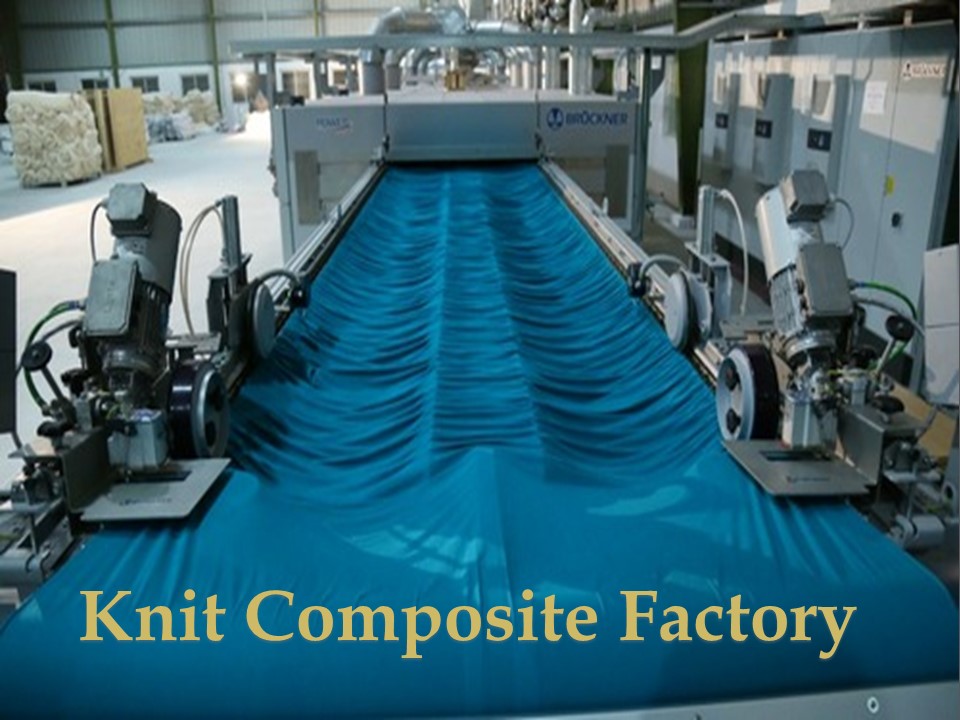
Working Flowchart for Knit Composite Factory


Knit Composite Factory

In every composite Factory have dyeing, knitting, finishing, garment manufacturing, garment washing units. Its production quantity is huge. Now we will flowchart for knit composite factory.


Knit Composite Factory

Working flowchart for knit composite factory

Yarn dyeing
QA Inspection
Knitting
QA Inspection
Knit Dyeing
Fabric Finishing
QA Inspection
Cutting
QA Inspection
Printing
QA Inspection
Sewing
QA Inspection
Garments Wash
Garments Finishing
QA Inspection
Packing
Final Inspection
Shipment

Dyeing Development Process | SOP For Dyeing Development


development of dyeing
Different Types of Shade 


 SOP for Development  (Dyeing)

1. Contact with supplier for Development / Supplier's proposal through for mail


2. Arrange the meeting with supplier


3. Discus with the management along production HOD


4. Fixed date & time for trail


5. Inform Supplier over chain mail about date & time


                                 6. Trail done by vendor in presence                                                of SCM & production
                             ↓
7. Trail report making production


8. Cost analysis by Accounts & Finance
 
9. Make file of with check list


10. Taking approval from Management